

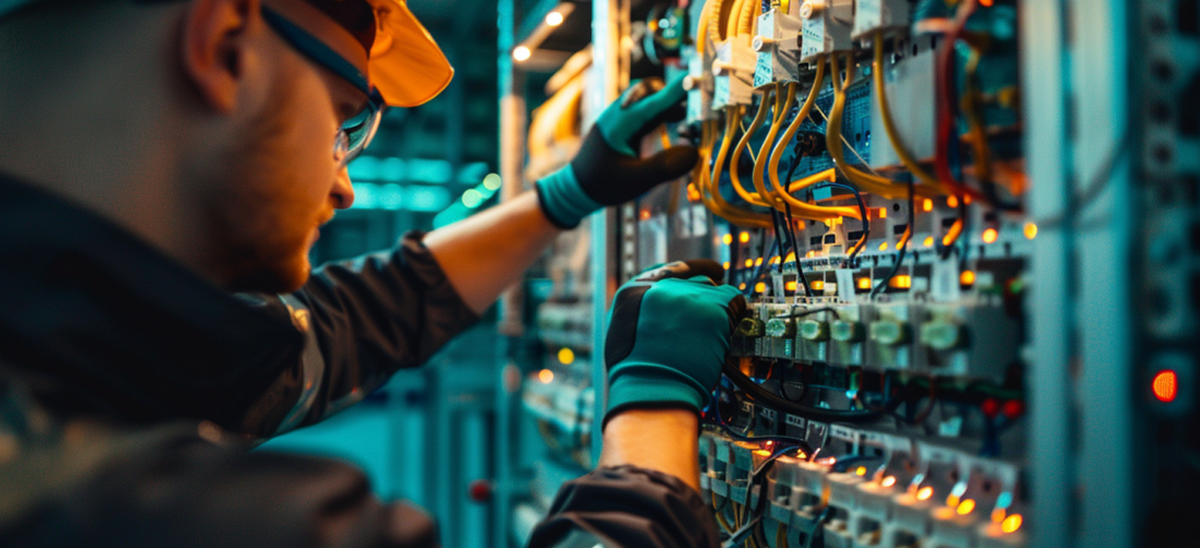
An electrical panel is the heart of your home’s electrical system, distributing power to every circuit in your property. As modern homes increasingly rely on high-powered appliances, smart devices, and advanced systems, older panels can struggle to keep up. Upgrading your electrical panel ensures your system can safely and efficiently handle current and future energy demands.
One of the most important benefits of upgrading your electrical panel is enhanced safety. Older panels are more prone to issues such as overheating, short circuits, and even electrical fires. Newer panels are designed with advanced safety features like circuit breakers that trip quickly during faults, reducing the risk of damage and protecting both your property and your family.
Modern lifestyles require more electricity than ever before. From air conditioners and refrigerators to computers and home entertainment systems, the demand continues to grow.
1. Support for Modern Appliances and Technology
Today’s homes often include energy-intensive appliances and smart home technologies. An outdated electrical panel may not support these efficiently, leading to inconsistent performance. A new panel ensures compatibility with modern devices, including electric vehicle chargers, smart thermostats, and home automation systems.
2. Reduced Risk of Power Interruptions
Frequent breaker trips or flickering lights are common signs of an overloaded or aging panel. Upgrading helps stabilize your electrical system, reducing interruptions and ensuring a consistent power supply throughout your home or business. This is especially important for maintaining productivity and comfort.
3. Increased Property Value
An upgraded electrical panel is a valuable investment that can boost your property’s market appeal. Potential buyers often look for homes with updated electrical systems, as it reduces the need for immediate repairs or upgrades. It also demonstrates that the property is well-maintained and compliant with modern standards.
4. Energy Efficiency and Cost Savings
While an electrical panel itself doesn’t directly reduce energy consumption, it enables more efficient distribution of power. This helps appliances run more smoothly and can reduce energy waste caused by outdated systems. Over time, this efficiency can contribute to lower electricity bills and reduced maintenance costs.
5. Upgrade Outdated Electrical Systems
Older homes may not be equipped to handle modern electrical demands. Upgrading your wiring, outlets, and electrical panels ensures safety and improved performance.
6. Compliance with Electrical Codes and Future Readiness
Electrical codes and safety standards are constantly evolving. Older panels may no longer meet current regulations, which can be a concern during renovations or inspections. Upgrading ensures compliance with the latest codes and prepares your home for future expansions, such as additional rooms or new electrical installations.
7. Schedule Professional Inspections
Upgrading your electrical panel is not just about meeting current needs—it’s about ensuring long-term safety, efficiency, and reliability. Whether you are renovating, adding new appliances, or simply improving your home’s infrastructure, investing in a modern electrical panel is a smart and forward-thinking decision.


Really insightful post—upgrading the electrical panel is often overlooked, but this clearly shows how it improves both safety and efficiency. Great read!
Loved this article! It explains the benefits in such a simple way, especially how modern panels support today’s energy demands.
Very informative and practical. Upgrading the panel seems like a smart investment for long-term reliability and peace of mind.